The song is a wonderfully exaggerated piece of political satire, inspired by an RTÉ investigation in the Ballinamore area during the speculation surrounding the disappearance of the racehorse Shergar. The reporter’s suspicions grow increasingly absurd as local people decline to speak, apparently offering little more than “No comment”.
Ballinamore—and ultimately all of County Leitrim—is humorously portrayed as a hotbed of rebellion, where everyone from the post office staff to the farm animals is implicated. The song’s style and structure echo the earlier satirical rebel song “The Man from the Daily Mail”.
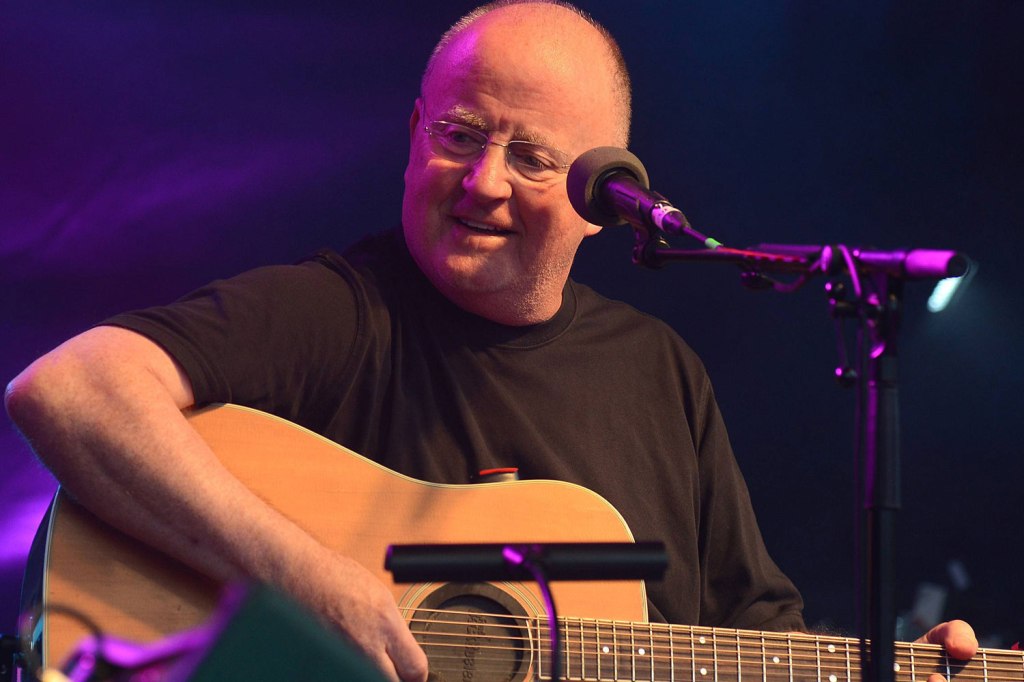
Christy Moore released “The Ballad of Ballinamore” in 1984 as a promotional single accompanying his album “Ride On”. It was subsequently included as “Ballinamore” in “The Box Set: 1964–2004
Song Details
Songwriter: Fintan Vallely
Place: Ballinamore and County Leitrim
Theme: Political satire, media portrayal, republicanism and local humour
Singer on this recording: Christy Moore
Recording:The Box Set: 1964–2004
Original release:The Ballad of Ballinamore, 1984
Video: Official recording provided to YouTube by Sony Music UK
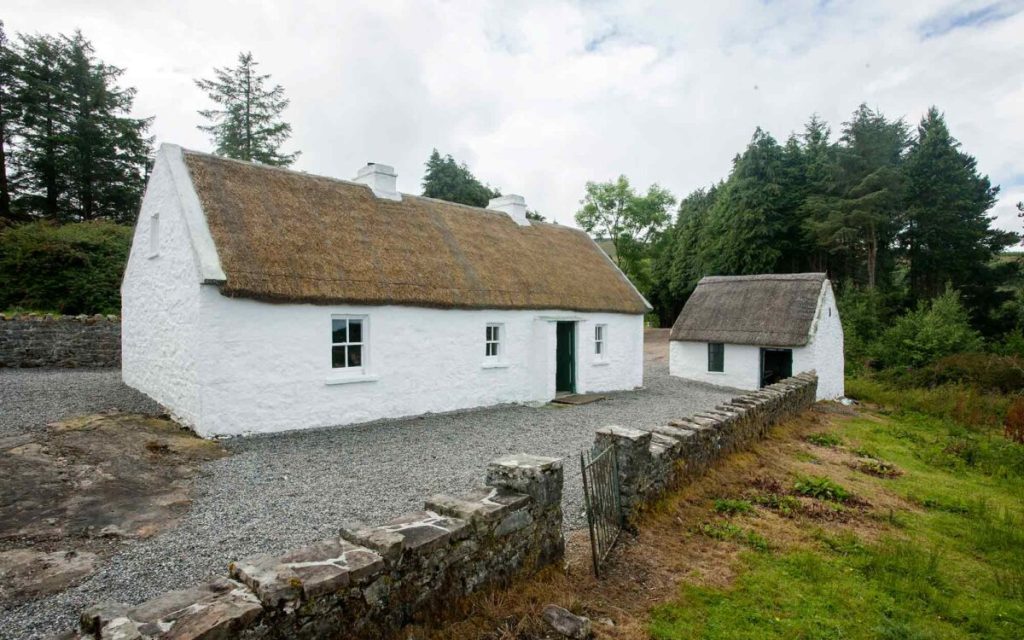
“Lovely Corranmore” is an emigration song expressing a Leitrim exile’s longing for home. Its narrator recalls leaving from Sligo Bay to seek a living in America and contrasts the factories, lights and nightclubs of New York with the clean air, hills, homes and familiar faces of Corranmore.
The final verse identifies Corranmore as the birthplace of Seán MacDiarmada, the Leitrim-born revolutionary and signatory of the 1916 Proclamation. MacDiarmada inspired numerous songs and poems, but the writer of “Lovely Corranmore” has not yet been identified.
The song was already in circulation by 1961, when Peggy Gilligan was recorded singing it in Drumshanbo. It was also recorded by the late Fermanagh singer Tommy McDermott and included on his album “In the Shadows of Sliabh Beagh”. The performance featured here was recorded when Tommy was 84 years old at the opening session of the Lisnaskea Traditional Music Weekend. of Aughavas, to commemorate the fiftieth anniversary of the Selton Hill Ambush.
Song Details
Songwriter: Unknown
Place: Corranmore, near Kiltyclogher, County Leitrim
Theme: Emigration, homesickness, place and Seán MacDiarmada
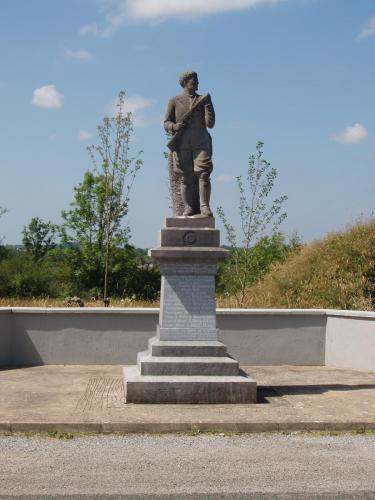
The Slopes of Selton Hill was written by the late Michael Whelan, historian and native of Aughavas, to commemorate the fiftieth anniversary of the Selton Hill Ambush.
On 11 March 1921, six IRA Volunteers were killed at Selton Hill, between Mohill and Fenagh, during one of the most tragic events of the War of Independence in County Leitrim. Michael’s ballad tells the story plainly and powerfully, preserving the names and memory of those who died.
The song has been sung by many Leitrim singers over the years and to several different airs. Michael was never overly concerned about which melody was used—the important thing to him was that the story continued to be told.
Song Details
Songwriter: Michael Whelan, Aughavas, County Leitrim
Place: Selton Hill, County Leitrim
Theme: War of Independence, loss, remembrance and local history
Singers on these recording: Fionnuala Maxwell, Mae Reynolds Malone, Stephen Flynn, Gerry Moran
Recorded by: Paul Gurney, Mike Mulvihill, Comhaltas, Tracey O’ Neill
Video: Produced for the Selton Hill centenary commemorations, 2021
Listen to four interpretations of The Slopes of Selton Hill, demonstrating how a locally composed ballad can pass between singers and acquire different melodies and styles.
On history’s page with pride we read of Leitrim’s fighting tale. Her manhood bold ’neath the green and gold did die for Gráinne Mhaol. But the boys who fought the Black and Tans and freedom’s cup did fill Were our noble sons who faced the guns ’neath the slopes of Selton Hill.
The chill March wind it was unkind as the column pushed along On an early dawn in twenty-one when the fight was raging strong. Mid Gorvagh hills, they stood to rest where their plans soon came to nil. For true ’tis said, they were betrayed ’neath the slope of Selton Hill.
’Tis five o’clock and the English guns have pinned them to the ground. Behind the house that sheltered them, Sean Connolly looks around. “They’re closing in around us, boys; break through this ring of steel. But some of us will fall today ’neath the slopes of Selton Hill.”
With rifles raised, the Reilly blazed, Jack Hunt was by their side. And Seamus Wrynn strode mid the din to stem the battle tide. But from the lane, the bullets’ rain did Baxter’s lifeblood spill. Ere the night wind sighed, Joe Beirne died ’neath the slopes of Selton Hill.
As the stars grew bright on that cold March night, the gallant Sweeney rose, And McPartland too had broken through from the death grip of his foes. While far away McDermott prayed and Guckian wept his fill For their comrades brave who died that day ’neath the slopes of Selton Hill.
 The Leitrim Larks